Cast iron vs enameled dutch oven comes down to one physical difference with a lot of downstream consequences: whether the pot has a coating of glass on it or not. Both are made of the same heavy cast iron body, both hold heat beautifully, and both will outlive you with basic care. The bare one is cheaper, more naturally nonstick, and indestructible; the enameled one shrugs off acidic braises, never needs seasoning, and wipes clean. This guide breaks down exactly where each one wins, using tested facts and real prices, so you buy the right pot the first time.
Who this is for
You want one dutch oven for soups, stews, braises, and maybe bread, and you’re staring at two versions of what looks like the same pot: a plain black one for around $50 to $80, and a colorful enameled one that ranges from about $80 at Lodge to well over $300 for Le Creuset or Staub. You want to know what the coating actually changes, whether the premium is worth it, and which one fits the way you cook. That’s the whole decision, and it’s more about your recipes than your budget.
TL;DR: the 20-second answer
- Buy enameled if you cook a lot of acidic braises (tomato, wine, citrus), want zero maintenance and easy cleanup, or want a pot that goes from stove to oven to table looking good.
- Buy bare cast iron if you want the cheapest indestructible pot, the most naturally nonstick surface for searing, the ability to crank the heat with no limit, and something you can take camping and abuse.
- They cook nearly identically for most jobs. The coating decides the edge cases: acidity, maintenance, maximum heat, and price.
- You cannot ruin bare cast iron and you can chip enamel. That single durability difference matters more than most buyers expect.
The one real difference: a coating of glass
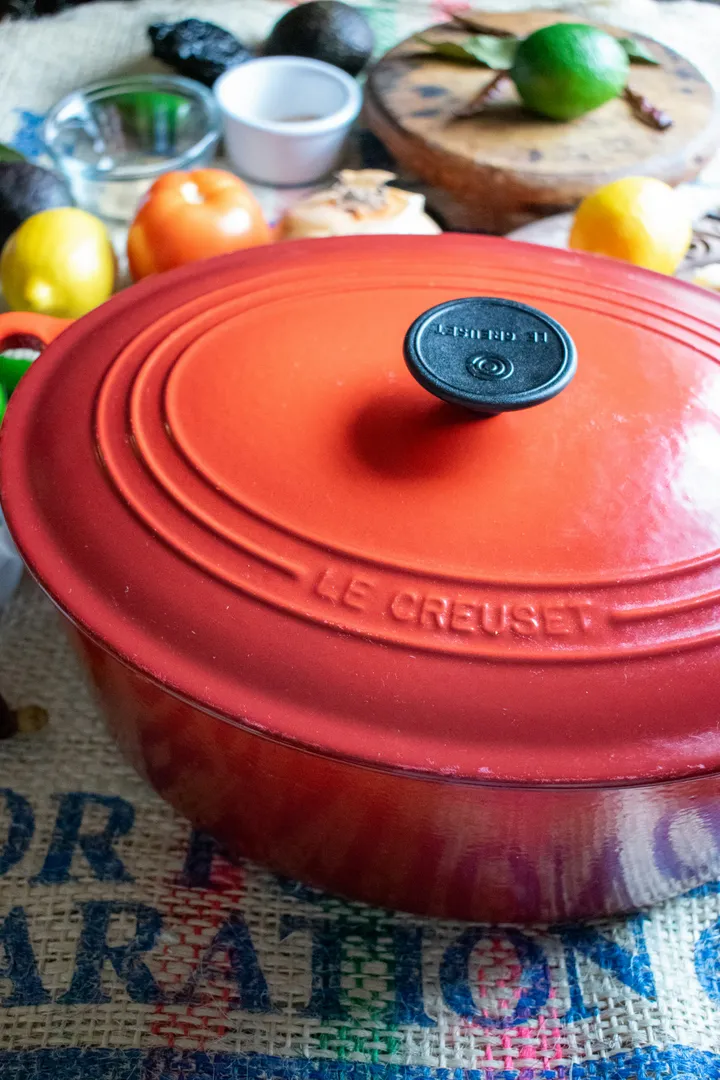
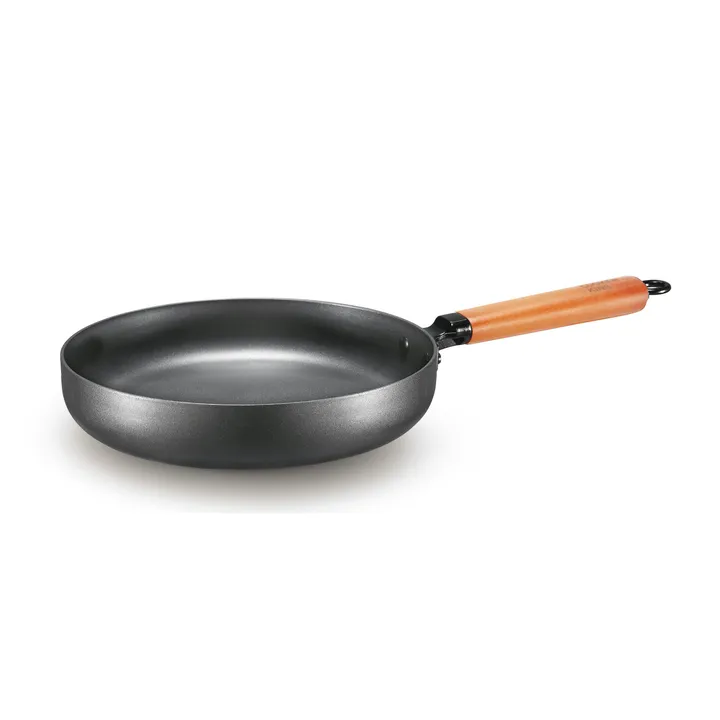
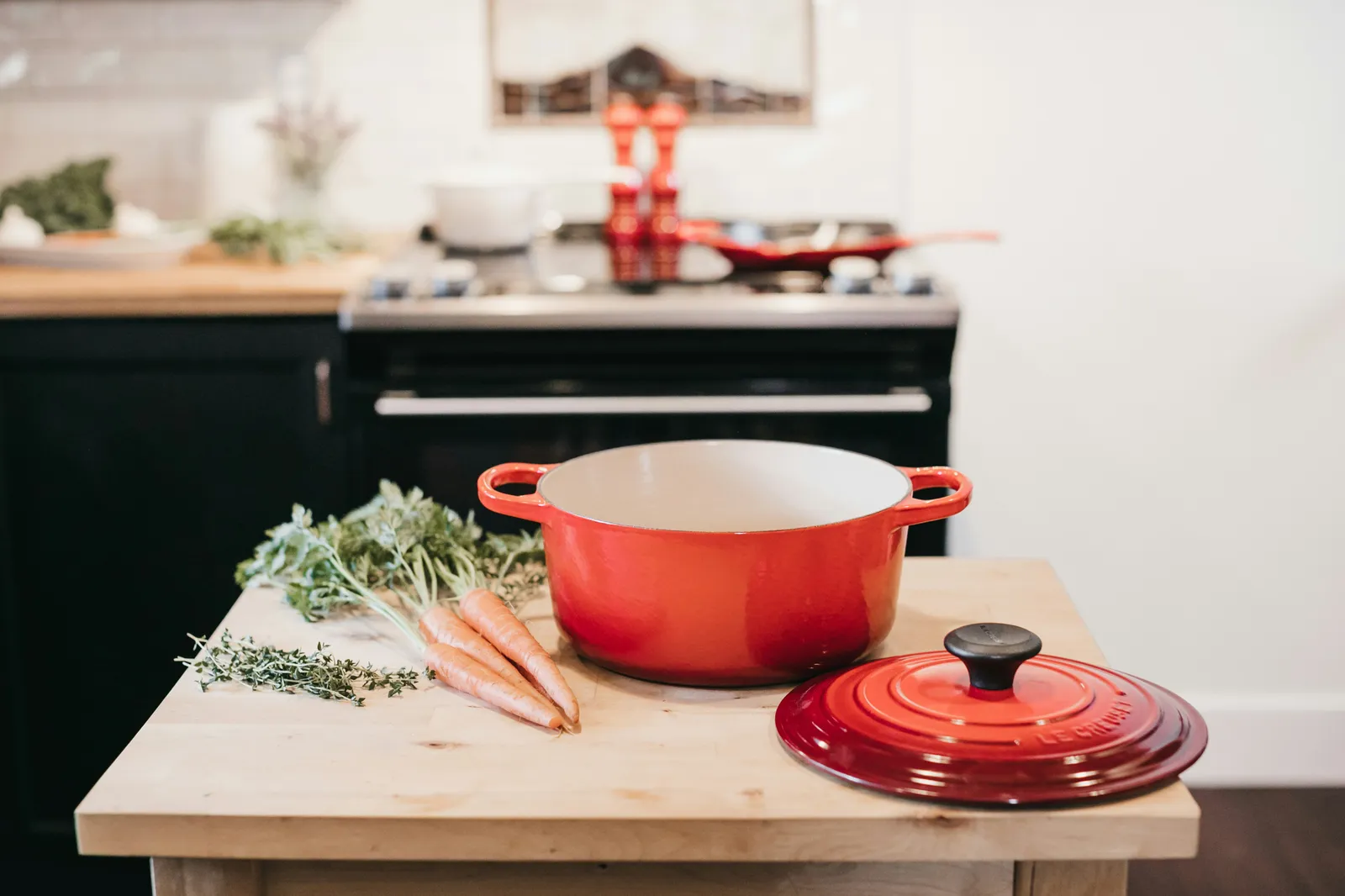
Strip away the marketing and the choice is simple. An enameled dutch oven is a cast iron pot with a layer of porcelain enamel (essentially glass) fused to its surface. A bare dutch oven is that same cast iron with nothing on it but a baked-on layer of seasoning, the polymerized oil that gives cast iron its dark, semi-nonstick patina.
Everything else follows from that. The glass coating is nonreactive, so acids don’t touch the iron. It never needs seasoning because there’s no bare metal to protect. But glass can chip, it can’t take unlimited heat, and it’s less slick than a well-built seasoning layer. The bare pot is the opposite on every count: reactive to acid, needs a little care, takes any heat you throw at it, and gets more nonstick the more you use it.
The cast iron body underneath is the same in both, which is why the thing cast iron is famous for, heat retention, is a tie. Both pots hold a low, steady temperature for hours, which is exactly what a braise or a pot of beans wants.
Cast iron vs enameled dutch oven, side by side
| Bare cast iron | Enameled cast iron | |
|---|---|---|
| Price (Lodge) | ~$50 to $80 | ~$80 to $100 |
| Price (premium) | rarely made premium | Le Creuset / Staub, $300+ |
| Seasoning | required, builds over time | never needed |
| Acidic foods (long braises) | strips seasoning over time | no problem |
| Searing / natural nonstick | better once seasoned | good, needs more oil |
| Max oven heat | effectively unlimited | about 500°F |
| Heat empty / high dry heat | fine | avoid (can chip) |
| Durability | nearly indestructible | enamel can chip |
| Cleanup | wipe, occasional re-oil | wash like a dish |
| Stove to table looks | utilitarian black | colorful, attractive |
Acidic foods: the difference that actually decides it
If one line settles this whole comparison for you, it’s this: enameled cast iron handles long acidic cooking and bare cast iron does not, at least not without a cost.
Bare cast iron’s seasoning is a layer of polymerized oil, and acid slowly dissolves it. A quick tomato pan sauce or a splash of wine to deglaze is fine on a well-seasoned pot. But an hours-long braise in a tomato, wine, or citrus base is a different story: the sustained acidity strips the seasoning back, dulls the pot’s surface, and can leave the food with a faint metallic edge. This is the exact tradeoff the cast iron community flags first when the question comes up, and it’s the single most common reason people reach for enamel.
Now the honest nuance, because the folklore overstates it. Serious Eats notes that how much iron actually leaches from a bare pan is debatable, that a 2020 study found the heat has to be very high for it to happen, and that stripping and corrosion occur mostly when a pan is used without proper seasoning in the first place. In other words: a well-seasoned bare dutch oven can handle a moderate amount of acid, and a short acidic cook won’t hurt it. The problem is duration. Simmer marinara for three hours and you’ll notice; deglaze for three minutes and you won’t.
Enameled cast iron sidesteps the whole issue. Its glass surface is nonreactive, and Lodge confirms the enamel can handle acidic and alkaline ingredients, tomato sauce included. If your cooking leans toward long tomato-braised short ribs, coq au vin, or a pot of chili that simmers all afternoon, that’s the pot you want. If your dutch oven mostly does bean pots, stocks, roasts, and bread, the acid question barely comes up and bare cast iron is fine.
Searing, braising, and bread: how each cooks
Most of the time these pots cook the same. Here’s where they diverge.
Searing and browning
Bare cast iron wins, slightly. A well-seasoned surface is more naturally nonstick, so browning onions or searing the meat before a braise happens with less oil and less sticking. Enamel is not truly nonstick; Lodge’s own guidance is to use a generous amount of oil and low-to-medium heat to keep food from grabbing. Enamel still sears well, it just wants more fat and a little more attention. If your dutch oven’s main job is browning a lot of meat, bare has the edge.
Braising and long, low cooking
A tie, with the acid asterisk from above. Both pots have the thermal mass to hold a gentle 300°F oven braise steady for hours, which is the whole point of a dutch oven. Pick by what you’re braising: acidic goes in enamel, everything else is a wash. A classic dutch oven pot roast or a beef stew works beautifully in either.
Sourdough and bread
Both bake excellent bread, because the crust comes from the pot trapping the dough’s own steam and from the heavy walls holding heat, and both share those traits. The one difference is preheat. Bare cast iron can go into a screaming-hot empty oven with no worry. Enameled cookware should not be heated empty and is capped around 500°F, so you preheat it with the lid on and keep it at or below that ceiling. Many bread bakers reach for bare cast iron or a combo cooker for the highest-temperature bakes, but enamel makes great bread too. Our dutch oven bread method works in either pot.
Maintenance: seasoning vs a sponge
This is the enameled pot’s biggest everyday advantage, and for a lot of buyers it’s the deciding one.
Enameled cast iron cleans like any other dish: wash it with soap and water, dry it, done. No seasoning to build or protect, no rust to worry about, no re-oiling. You can soak it. You can (carefully) scrub it. The only rules are to avoid metal utensils and harsh abrasives that scratch the glass, and to not leave it to bang around against other pots.
Bare cast iron asks for a little ritual: keep the seasoning alive by cooking in it, avoid long soaks, dry it thoroughly, and wipe a thin film of oil on now and then. It’s genuinely not much work once it’s a habit, and a bare pot that gets used regularly stays in great shape. But it is more than zero, and if the idea of maintaining a pot annoys you, that annoyance is worth money. The full routine is in our cast iron dutch oven guide, and if a bare pot ever gets sticky or gummy, that’s a fixable seasoning problem, not a ruined pot.
Is enameled or bare cast iron healthier? (and is chipped enamel safe?)
This question drives a lot of searches, so here’s the honest version.
Bare cast iron leaches a small amount of iron into your food, more with acidic and long cooks. For most people that’s a mild benefit, since iron is an essential nutrient and dietary iron from cookware is generally well tolerated. The one group who should think twice is people with hemochromatosis or another iron-overload condition, who are told to limit iron intake; if that’s you, enamel is the safer default, and it’s worth a word with your doctor.
Enameled cast iron leaches nothing into food. The coating is a nonreactive glass, and per Serious Eats it won’t break down or leach chemicals at normal cooking temperatures. Neither pot has a synthetic nonstick coating, so the PFAS/Teflon question that dogs nonstick pans doesn’t apply to either one.
On chipped enamel: a chip on the cooking surface means retire the pan, but not for the dramatic reason forums claim. The real issues are practical: the exposed bare iron underneath will rust, and loose enamel flakes shouldn’t end up in food. Serious Eats makes the same point, that enamel can chip under very high heat or aggressive scraping and expose the metal beneath. It is not a toxic emergency, but a chipped interior has stopped doing its job. You prevent chips by never heating the pot empty, avoiding metal utensils, and not thermally shocking it (no cold pot onto a blazing burner, no hot pot into cold water). Reputable modern brands make their enamel to food-safe standards, so buy from a name you recognize rather than the cheapest unbranded pot.
What about “ceramic” dutch ovens?
Here’s a label trap worth clearing up, because “ceramic dutch oven vs cast iron” is a common search and the answer is that they’re often the same thing.
Many pots marketed as ceramic dutch ovens are actually enameled cast iron: the “ceramic” is just the porcelain-enamel glass fused over an iron body. Those behave exactly like the enameled pots in this comparison.
A true all-ceramic or stoneware dutch oven is a genuinely different object. It’s lighter, more fragile, holds heat less well than cast iron, and many aren’t safe for stovetop use (they’re oven-only). If heat retention, searing, and stovetop-to-oven flexibility matter to you, you want cast iron under the enamel, not solid ceramic. Read the product description: if it says “enameled cast iron,” it’s the pot we’ve been discussing. If it says stoneware or pure ceramic, it’s a different animal with different limits.
Price: what you actually pay
The price gap is smaller than most people assume at the value end and enormous at the premium end.
At Lodge, the two are close. A bare Lodge cast iron dutch oven runs about $75 (often less on sale), and Lodge’s enameled dutch oven is about $80. At that tier, the enamel premium is small enough that you should choose on how you cook, not on saving $20.
The big money is the premium enamel tier. Le Creuset and Staub, the pots people covet, commonly run $300 and up. They are beautifully made and last generations, but understand what you’re paying for: finish, color, brand, and resale value, not better cooking. A Lodge enameled dutch oven braises the same stew as a Le Creuset, and we break that exact decision down in Lodge vs Le Creuset dutch oven. If you want the heirloom object and the color, buy it with clear eyes. If you want the cooking performance, the value pots deliver it. This is the same honest calculus we apply in our cast iron buying guide: pay for function first, finish only if you value it.
Which should you buy? (use-case picks)
- Your first and only dutch oven, general cooking: enameled, if the budget allows the small premium. The zero-maintenance cleanup and acid tolerance make it the more forgiving all-rounder for most home kitchens.
- Braises, chili, tomato sauces, wine stews: enameled, clearly. The acid tolerance is the whole point.
- Searing-heavy cooking, deep frying, camping, open fire, maximum abuse: bare cast iron. Cheaper, indestructible, no heat limit, better natural nonstick, and you won’t cry if it gets scratched.
- Highest-heat bread baking: bare cast iron or a combo cooker, though enamel bakes great bread too.
- You hate maintenance: enameled, no contest.
- You want one cheap pot that will never die: bare cast iron.
If you can afford two, the classic pairing is a bare cast iron skillet for searing and a mid-priced enameled dutch oven for braises. That covers almost everything, and it’s a better use of money than one $350 premium pot for most cooks. The material comparison also plays out in skillets, which we cover in cast iron vs carbon steel.
What to skip
- Don’t heat an enameled pot empty on high heat. It’s the fastest way to chip or craze the enamel. Add oil or liquid first, and heat gradually.
- Don’t use metal utensils or harsh abrasives on enamel. Wood, silicone, or nylon only. Metal scratches the glass.
- Don’t run long acidic braises in a bare pot and expect the seasoning to survive. That’s the one job enamel is clearly better at.
- Don’t buy the cheapest unbranded enameled pot. Thin, low-quality enamel chips fastest. A Lodge at $80 is a better bet than a no-name at $40.
- Don’t assume enamel is nonstick. It’s less nonstick than seasoned bare iron. Use enough oil.
- Don’t overpay for performance you won’t get. A $350 premium pot cooks the same food as an $80 one. Pay the premium for looks and heirloom value if you want them, not expecting better results.
Frequently asked questions
Which is healthier, cast iron or enameled cast iron?
Both are safe. Bare cast iron leaches a small amount of dietary iron into food, more with long or acidic cooks, which is a plus for most people since iron is an essential nutrient, and a reason to pick enamel only if you have hemochromatosis or another iron-overload condition. Enameled cast iron is coated in nonreactive glass that leaches nothing. Neither has a synthetic nonstick coating, so there’s no PFAS concern with either.
What are the disadvantages of an enameled dutch oven?
It costs more than bare cast iron, the enamel can chip if you overheat it empty, use metal utensils, or scrape hard, and it’s less naturally nonstick than a well-seasoned bare pan, so searing needs more oil and attention. It’s also capped around 500°F and shouldn’t be heated empty or thermally shocked. The upside is no seasoning and easy cleanup.
Can you cook tomatoes and other acidic foods in a bare cast iron dutch oven?
For a quick simmer on a well-seasoned pot, yes. The problem is long acidic braises: an hours-long tomato or wine-based stew slowly strips the seasoning and can pick up a faint metallic taste. If you cook acidic dishes often or for a long time, enameled cast iron is the better tool because its glass surface is nonreactive. For a 20-minute pan sauce, bare cast iron is fine.
Is cast iron or enameled dutch oven better for sourdough bread?
Both bake excellent bread; the crust comes from trapped steam and the pot’s heat retention, which both share. Bare cast iron takes an aggressive empty preheat with no worry, while enameled cookware shouldn’t be heated empty and is capped near 500°F, so preheat it with the lid on and stay at or below that. Many bakers prefer bare or a combo cooker for the highest-temperature bakes.
Is a chipped enamel dutch oven safe to use?
A tiny chip on the outside rim is cosmetic. A chip on the cooking surface means retire the pan: the exposed bare iron will rust, and loose enamel flakes can end up in food. It’s not the toxic emergency some posts claim, but a chipped interior is no longer doing its job. Prevent it by never heating the pan empty and using wood, silicone, or nylon utensils.
Is a ceramic dutch oven the same as cast iron?
Usually not, and the label is confusing. Many pots sold as ceramic dutch ovens are actually enameled cast iron, where the ceramic is just the glass coating over an iron body. A true all-ceramic or stoneware dutch oven is different: lighter, more fragile, worse at heat retention, and often not stovetop-safe. If heat retention and searing matter, you want cast iron under the enamel.
Why do some people say chefs don’t use cast iron?
The premise is mostly false. Professional kitchens lean on carbon steel and stainless for speed and weight, but plenty of chefs use both bare and enameled cast iron, especially enameled dutch ovens for braises and stocks. The idea that chefs avoid cast iron usually comes from confusing a busy restaurant line, where responsiveness beats heat retention, with home cooking, where cast iron shines.
Related reading
If you’ve settled on cast iron generally and want the full picture, our cast iron dutch oven guide covers sizes, weights, and what to actually cook in one, and if you go bare, how to season a cast iron dutch oven is the maintenance starting point. For the bread question, our dutch oven bread method walks the whole bake, and for braises, dutch oven pot roast is the reference recipe. If you’re still weighing materials, cast iron vs stainless steel and cast iron vs carbon steel break down the other two pans worth owning.
The honest bottom line: this isn’t a case of one pot being better than the other. Enameled cast iron buys you acid tolerance and zero maintenance; bare cast iron buys you a lower price, better searing, and a pot you literally cannot destroy. Match the coating to the food you actually cook, spend the premium only where it earns its keep, and either pot will be braising your stews long after the internet has moved on to the next debate.